


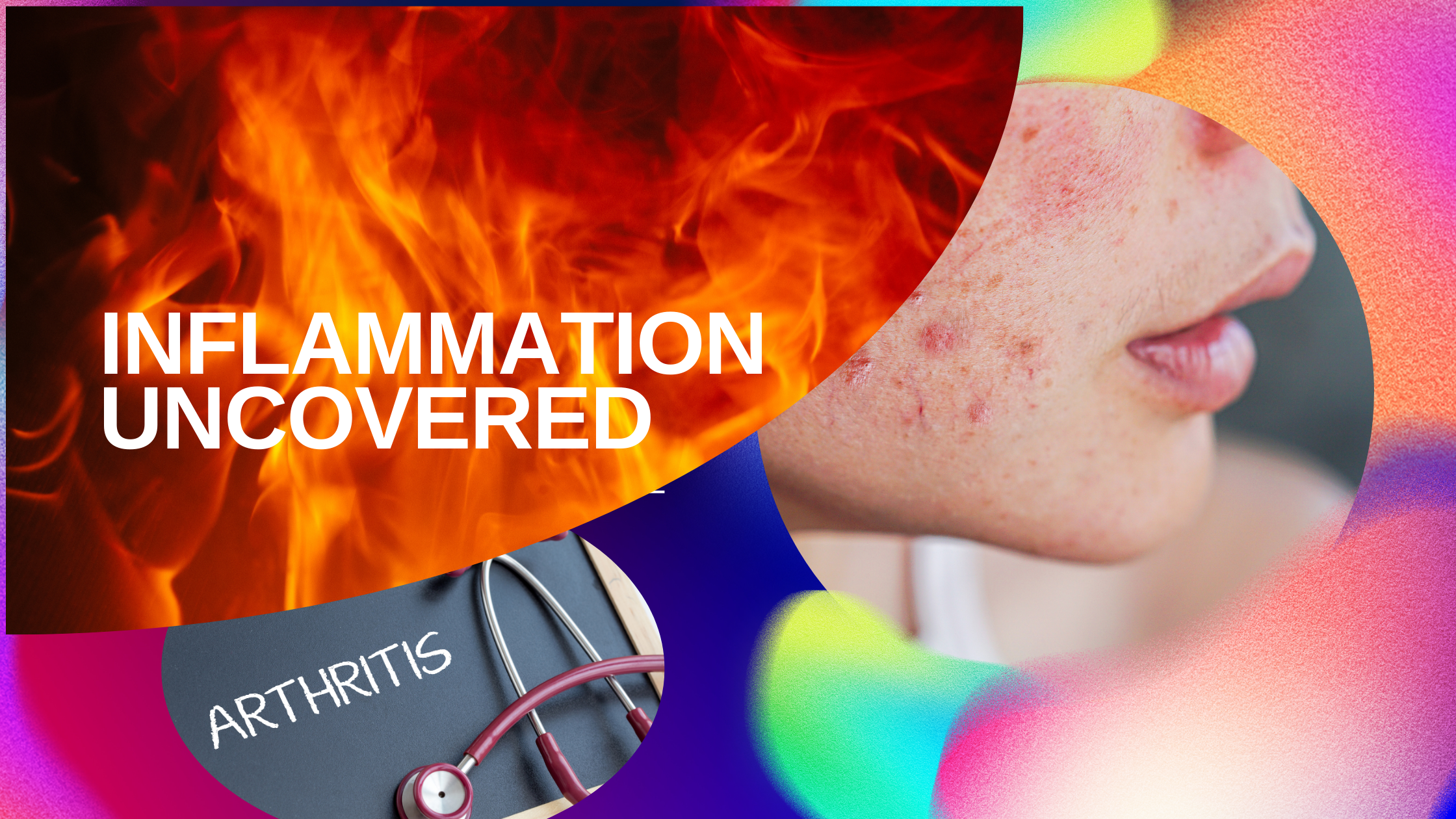
Inflammation is the biological response of body tissues to certain irritants, including pathogens like bacteria or viruses, damaged cells, and injured tissues. According to some experts, inflammation is a vital part of the immune response and the healing process, but if it persists for a period of time it may contribute to a wide range of diseases. This blog sheds light on factors that can cause inflammation in our bodies.
Pathogen-Induced Inflammation
Bacteria
Bacterial infections are among the most typical causes of inflammation. These unicellular, microscopic organisms can invade the body to produce a wide range of mild to severe diseases. Toxins produced by bacteria that penetrate the tissue can trigger the immune system to engage in inflammation.
Viruses
Viruses invade their host cells, taking them over and making more copies of themselves in the process. The immune system then responds by attacking the infected cells, which, in turn, causes inflammation. Examples of infections that create inflammation through a viral pathogen include the flu, HIV, and hepatitis.
Fungi
Fungi, for example, can also trigger severe inflammation. These pathogens, which are rampant in the shower, cause the infamous itchy patches of athlete’s foot and ringworm. Fungal infections can be serious in the immunocompromised—consider systemic fungal infections such as candidiasis.
Parasites
Protozoans and helminths also cause inflammation throughout the body. Parasitic infections such as those that cause malaria and schistosomiasis are protozoan and helminth-induced inflammations, respectively.
Immune System Activation
Pathogen Recognition
The body uses pattern recognition receptors (PRRs) to identify pathogen-associated molecular patterns (PAMPs) on pathogens to mount an immune response.
Immune Response Pathways
When pathogens are detected, innate and adaptive immunity are activated. Innate immunity is a rapid, not specific response that mediates the interface between host and pathogen and is described as ‘fixed.’ In contrast, adaptive immunity is a later, specific response—including antibody production— designed for memory and a faster response to pathogens on subsequent encounters (called a ‘dynamic’ response). Both pathways produce the inflammatory mediators of cytokines and chemokines.
Autoimmune Responses and Inflammation
Definition of Autoimmune Diseases
In autoimmune diseases, the immune system misidentifies the body’s own tissues as foreign and attacks them, provoking chronic inflammation and tissue damage.
Examples and Mechanisms
Rheumatoid Arthritis
Rheumatoid arthritis (RA) is an autoimmune disease that causes joint inflammation. The innate immune system goes haywire, attacking the synovium, the lining of the membranes that surround the joints. The result is inflammation, pain, and swelling. Eventually, damage to the joints can cause them to deform and cease to work.
Lupus
Systemic lupus erythematosus (SLE) is a chronic autoimmune disease that affects the skin, joints, kidneys, brain, and other organs. In lupus, the immune system attacks its own tissues. Unlike infections, autoimmune disorders cause widespread inflammation and destruction of otherwise healthy tissues.
Impact on Chronic Inflammation
However, autoimmune disease is even more dangerous because of this cycle of inflammation. In these diseases, the immune system adamantly attacks host tissues, and this incessant and endless inflammation can lead to long-term health complications, including a higher risk of cardiovascular diseases and organ damage.
Chemical Irritants and Inflammation
Types of Chemical Irritants
Pollution
Air pollutants, meanwhile, such as particulate matter, nitrogen dioxide and sulfur dioxide, irritate the respiratory tract and provoke inflammation. Chronic exposure to air pollution is implicated as a risk factor for chronic inflammatory respiratory diseases such as asthma and chronic obstructive pulmonary disease (COPD).
Toxic Chemicals
Toxins, such as pesticides, industrial chemicals, cigarette smoke, and the like, are other triggers for inflammatory responses. They release toxins that can damage cells and tissues.
Allergens
Allergens (such as pollen, dust mites, or animal dander) also trigger an allergic response and inflammation. When an allergen encounters the body, it causes an immune response in which histamines and other inflammatory mediator molecules are released.
Mechanisms of Action
Irritation of airways
They irritate the mucosal membranes of the bronchial tubes, leading to inflammation of the lungs, particularly in conditions like bronchitis and asthma.
Skin Reactions
Oils can irritate the skin, leading to inflammation – a condition associated directly with other chemical agents that cause contact dermatitis or ‘inflammation of the skin on its immediate application to external agents.’
Diet and Inflammation
Pro-inflammatory Foods
Processed Sugars
High intakes of processed sugars are associated with circulating levels of inflammatory markers. Sugars can generate advanced glycation end products (AGEs) as byproducts of metabolism, and these promote inflammation.
Fats
Certain fats, particularly trans fats and saturated fats do promote inflammation. They are abundant in processed and fried foods and are associated with chronic inflammatory diseases such as heart disease and diabetes.
Anti-inflammatory Foods
Turmeric
Turmeric is high in a compound called curcumin, which has potent anti-inflammatory effects. It can block inflammatory enzymes and can reduce inflammatory cytokines.
Omega-3 Fatty Acids
Anti-inflammatory omega-3 fatty acids come from fish oil or flaxseed; they inhibit the activation of pro-inflammatory cytokines and favor the return to quiescence after inflammation.
Physical Injury and Inflammation
Types of Physical Injuries
Cuts
Any cut or abrasion creates pathways by which pathogens can tunnel underneath the skin, setting off inflammation to heal the wound and prevent infection.
Burns
Burns can result in direct damage to tissues and a local inflammatory response. When blood flow around the burn site increases, immune cells flood into the area to clear dead tissue and help promote healing while guarding against infection.
Bruises
Bruises are caused by trauma that ruptures blood vessels beneath the surface of the skin. Later, inflammation begins to work, repairing the damaged tissue and reabsorbing the blood.
Inflammatory Response Mechanisms
Role of DAMPs
Damaged tissues and dying cells release danger molecules called damage-associated molecular patterns (DAMPs). DAMPs tell the immune system what is wrong and where it needs to repair the damage and clean up the fallen debris.
Stress and Inflammation
Types of Stress
Psychological
Anxiety and depression can have biological effects tied to the body’s inflammatory networks. Chronic stress is linked to higher levels of biomarkers for inflammation.
Physical
Inflammation switches on in response to physical stresses such as overworking, sleeplessness, or illness. The body responds to these stressors as if they were threats.
Role of Stress Hormones
Cortisol
Cortisol, among other things, is a stress hormone, and it can, at least partially, modulate inflammation and immune responses. Short bursts of stress are anti-inflammatory, but longer bouts of stress and increased cortisol over time would cause inflammation.
Immune System Modulation
This chronic stress can lead to dysregulation of the immune system with an exaggerated inflammatory response, contributing to inflammatory diseases, including cardiovascular disease and metabolic syndrome.
Obesity and Inflammation
Role of Adipose Tissue
Secretion of Pro-inflammatory Cytokines
Excess adipose tissue, particularly visceral fat, is a source of circulating pro-inflammatory molecules called cytokines, such as TNF-alpha and IL-6, which can induce systemic inflammation and metabolic disease.
Systemic Effects of Obesity-Induced Inflammation
Obesity-associated inflammation and the subsequent release of pro-inflammatory mediators trigger the systemic (throughout the body at once) onset of the pathophysiology of obesity, such as insulin resistance, type 2 diabetes, cardiometabolic diseases, and multiple other metabolic abnormalities. Obesity-associated chronic low-grade inflammation is a polyfactorial syndrome because it affects multiple organs and systems.

Aging and Inflammation
Concept of Inflammaging
Inflammaging is a chronic, low-grade inflammation resulting from aging processes, marked by rising levels of inflammatory markers and waning immune function.
Chronic Inflammation and Aging
With old age, the immune system develops defects that prevent it from fully clearing inflammation. Instead, it results in chronic and low-grade inflammation that can spur the diseases of aging.
Impact on Health and Disease Susceptibility
Inflammation plays a significant role in chronic diseases associated with advanced age, including instances of Alzheimer’s, atherosclerosis, and cancer. Lowering inflammation by changing lifestyles or using proper medications can significantly improve health outcomes in the elderly.
Genetic Factors in Inflammation
Genetic Predispositions
Some genetic profiles are associated with increased inflammation. Variations in genes for the immune system translate into various levels of response to inflammatory stimuli.
Specific Gene Mutations and Variations
Mutations in NOD2, a gene involved in the sensing of various microbes, can influence responses to them, likewise for TNF (tumor necrosis factor) and IL-1 (interleukin-1). Inherited differences, such as these and others, can alter the extent and duration of responses to infection and injury.
Inflammatory Responses
People with genetic predispositions to inflammation will show an exacerbated inflammatory response to infections, injuries, or other triggers. Knowledge about these genetic underpinnings will be particularly useful in developing personalized therapeutics for inflammatory diseases.
Environmental Triggers of Inflammation
Environmental Changes
Extreme Temperatures
Sustained extreme temperatures, whether hot or cold, induce inflammation. Heat can result in hyperthermic responses (heat stress), while cold can lead to frostbite and inflammatory reactions to protect tissues.
High Altitude
Hypoxia – symptoms caused by low oxygen – is one such condition that can be caused by exposure to high altitudes. The body tries to breathe faster to compensate for the reduction in oxygen and produces an inflammatory response.
Response Mechanisms
The body ‘gets smarter’ through multitudinous pathways of inflammation in reaction to all sorts of environmental pressures – and it does this to survive and return to homeostasis. The body truly is an expert in homeostatic regulation.
Conclusion
Knowing which properties drive inflammation means we can intervene to reduce it, both preventing and addressing illnesses. Knowledge of these strategies and properties is one way in which understanding evolution helps us remain healthy, fit, and capable. If you have any concerns or are interested in learning more about addressing a specific condition, click the link for our free consultation and health assessment. We collaborate with your physician to integrate natural therapies, providing a holistic approach to wellness and improved quality of life.